What Are You Looking For?
Explore what matters to you right now

ghana think tank
Ghana ThinkTank addresses the imbalance of who defines expertise and innovation. By inverting the typical flow of international aid and development, it highlights the value of local knowledge in non-Western contexts. Its process encourages cross-cultural empathy, reframes power structures, and challenges assumptions rooted in colonial and technocratic mindsets.

Perfect City
Perfect City repositions young people—especially from marginalized communities—as architects of the future. It shifts the narrative of who holds expertise in city planning, and opens civic design to those most affected by inequitable systems. The project also models what sustained, creative, power-sharing engagement can look like in practice.

The City We Make Together: City Design and Participatory Culture
This book reframes city-making as a collaborative cultural process—shaped by stories, rituals, and relationships, not just bricks and regulations. It offers a vocabulary and set of practices for embedding empathy, pluralism, and public imagination into civic infrastructure, directly aligning with The Change Lab’s mission of building social cohesion and systemic change from the ground up.
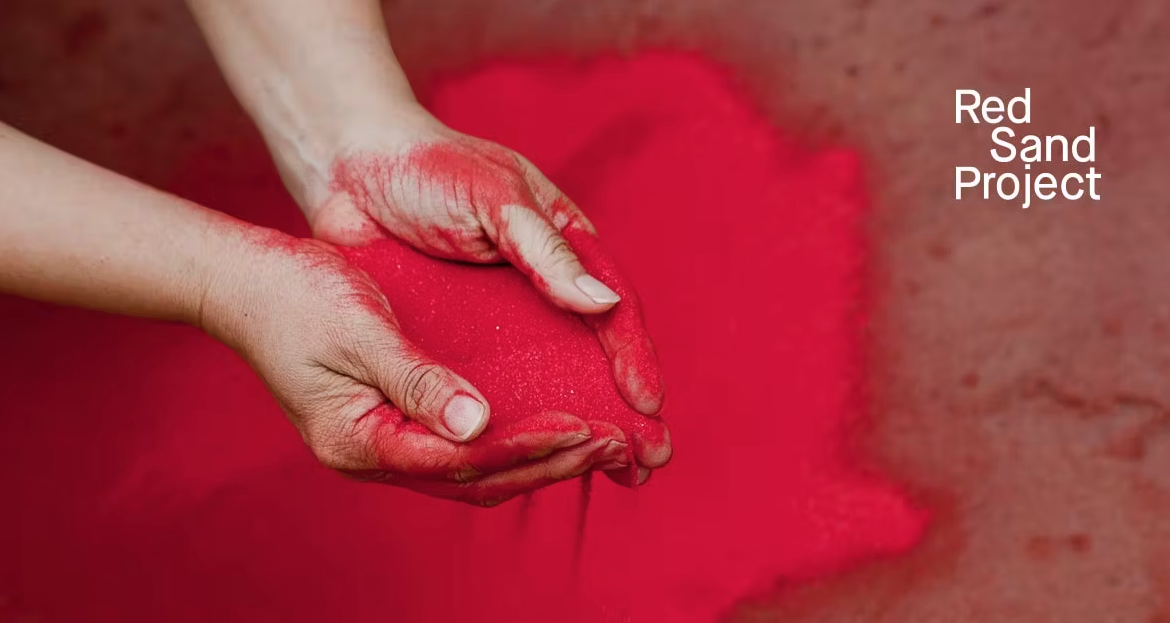
The Red Sand Project
Red Sand Project transforms everyday urban infrastructure into a site of empathy and justice. Its participatory model offers a low-barrier entry point for civic awareness and community-led dialogue, turning symbolic action into a deeper commitment to systemic change.

UpSkill Houston
UpSkill Houston addresses systemic workforce challenges by focusing on equity, access, and alignment. Their cross-sector approach makes them a vital regional convener and innovator in economic mobility, especially for historically underserved populations.

Victory! 3 Big Wins for Texas Housing
Texans just scored three major victories for housing, property rights, and local democracy!
Thanks to leadership from the Texas Legislature and Governor Greg Abbott, three transformative housing bills are now law.

Narrative Initiative
Narrative Initiative strengthens the connective tissue between story, power, and systemic change. Their work supports movements in building shared narratives that counter disinformation, deepen civic belonging, and make progress toward equity and justice possible.

Changing Work
In an era of political polarization and economic precarity, Changing Work offers a hopeful and inclusive vision of what work could be. By listening deeply and amplifying voices often left out of policy debates, they help shape a future of work that centers dignity, equity, and democracy.

Narrative 4
In an era of disconnection and division, Narrative 4 provides a relational practice that builds empathy at scale. Their work helps shift culture by making it easier—and safer—for people to understand one another across race, class, ideology, and geography. It's more than storytelling. It's structural empathy.

Bridging Divides Initiative (BDI)
In a fragmented civic landscape, BDI provides the infrastructure, intelligence, and insight that community leaders and bridge-builders need to act strategically and collaboratively. By surfacing real-time risks and spotlighting grassroots solutions, they empower organizations like The Change Lab to respond to division with clarity, care, and coordination.

Brief: Evidence that Bridging Works
This brief explores the growing field of “bridging”—bringing people together across lines of difference to foster curiosity, trust, and social cohesion—and presents compelling evidence that bridging efforts measurably improve attitudes, empathy, and readiness to collaborate across divisions.

The Houston Food Bank
The Houston Food Bank (HFB) is the largest food bank in the United States by volume, distributing nearly 150 million nutritious meals annually to neighbors across 18 counties in Southeast Texas. But HFB is more than a food distribution center—it’s a hub for innovation, equity, and systemic change.
With over 90% of its food rescued from retail and commercial partners, HFB’s model is rooted in sustainability. Its logistics are world-class, but its strategy is people-first: linking food security with deeper investments in dignity, policy change, and long-term community well-being.
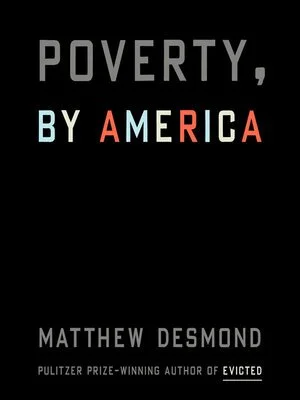
Poverty, by America by Matthew Desmond
Matthew Desmond doesn’t just write about poverty — he exposes it. In Poverty, by America, he makes the case that poverty persists not because we lack resources or ideas, but because the system is designed to protect the comfort of some at the expense of others. This is not a book about the poor. It’s a book about us — and the choices we make, knowingly or not, that allow poverty to survive in one of the wealthiest nations in history.
The Power of Peace: How Nonviolent Movements Fuel Civic Engagement and Strengthen Communities
Across history and ideologies, people have used nonviolent action to shape their societies. From Gandhi’s Salt March to the ADA movement and the Tea Party, peaceful resistance has transformed laws, norms, and opportunities for millions. This paper explores how nonviolent civic engagement works across multiple pathways—from addressing food insecurity and inequality to expanding democracy and reimagining public access.
Drawing on research by Erica Chenoweth, we show that nonviolent strategies are not only morally grounded—they are strategically effective, and invite widespread participation from people of all ages, beliefs, and abilities.
Listen First Project
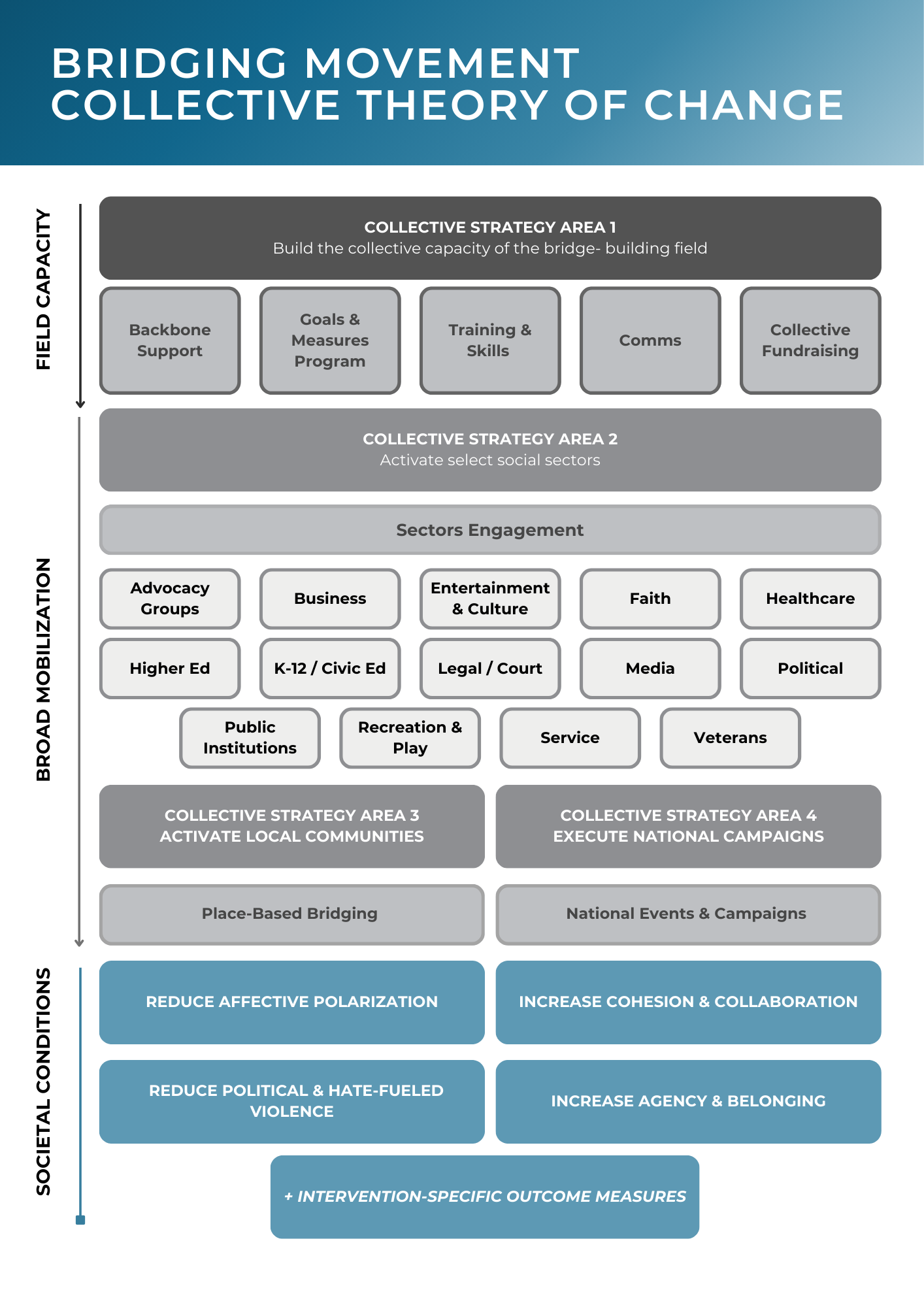
The Change Lab and Listen First are deeply aligned in mission and method. Both believe that systems change begins with relational culture—and that connection across difference is both a practice and a movement. Listen First provides vital infrastructure and national amplification for bridge-building work already happening in communities like ours.

Gamestorming 2.0
The Change Lab exists to cultivate civic imagination and collective action. Gamestorming 2.0 offers the facilitation tools to help us get there—by helping people connect across difference, think in systems, and create shared pathways forward. Whether designing workshops, guiding coalitions, or prototyping new futures, this book is a core tool in our civic toolkit.