NEWS DIGEST FROM AROUND THE WORLD / BETA

Why This Matters
For Renters: Rent jumped 9% in one year. Many families must choose between rent and other basic needs.
For Homebuyers: Home prices rose faster than incomes. The typical family can't afford the typical home.
For Communities: Over 500,000 people live in areas threatened by floods, heat, and bad air.
For Policy Makers: Climate and housing problems are connected. Solutions must address both.
For Our Future: Houston is becoming less affordable and less safe to live in.
Report Overview
The federal government has been slow to pass new laws. So state governments are stepping up to solve important problems. Bloomberg Government's 2025 State Policy Watchlist looks at five key areas where states are making big changes this year.
Why This Report Matters
States are making new laws to fill gaps when federal government doesn't act
88 places (23 states and 65 cities) will raise their minimum wages in 2025
20 states now have laws protecting people's online privacy as of January 2025
When many states do something, the federal government often follows
Knowing what states are doing helps you plan ahead
Why This Matters for Dallas
For Community Leaders: A coordinated regional approach to fragmented housing efforts
For Policy Makers: Comprehensive framework addressing policy, production, and preservation
For Developers: Access to capital and innovative construction approaches that reduce costs
For Workers: Focus on "missing middle" and workforce housing for those earning 50-80% AMI
For Dallas' Future: Addressing a projected 76,000 unit shortfall by 2035
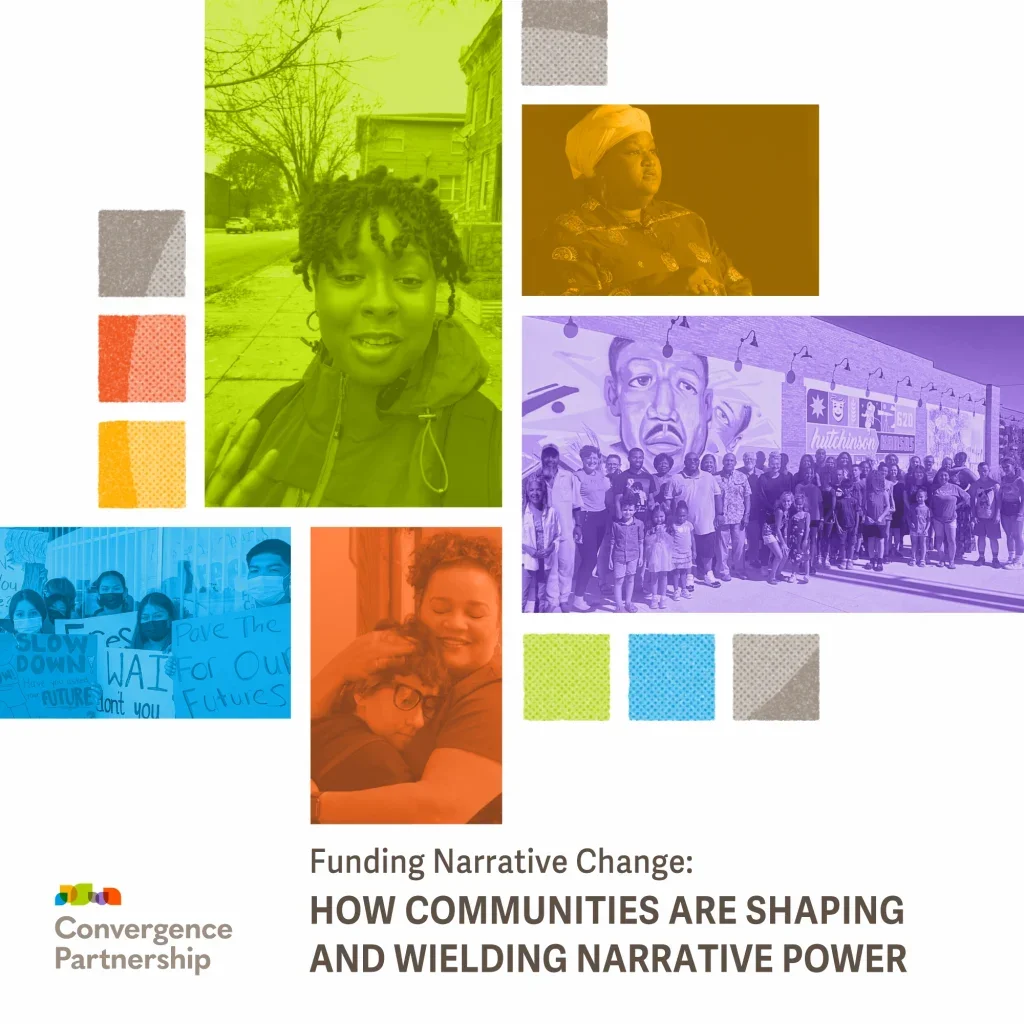
Who gets to tell the story of your community? For too long, outside voices have shaped narratives about Black and Brown neighborhoods. But a new wave of grassroots organizations is taking back the pen—and the camera, the podcast mic, and the social media account—to tell their own stories and drive real change.
Why This Matters for Organizers
Stories Drive Change: Narrative power is as important as economic or political power
Tools Are Accessible: You do not need Hollywood budgets—TikTok, podcasts, and community theater work
Community Expertise: Those closest to the problems are best positioned to tell the stories
Proven Strategies: Case studies show what works across different communities
Funder Interest: Philanthropy is increasingly supporting narrative change work
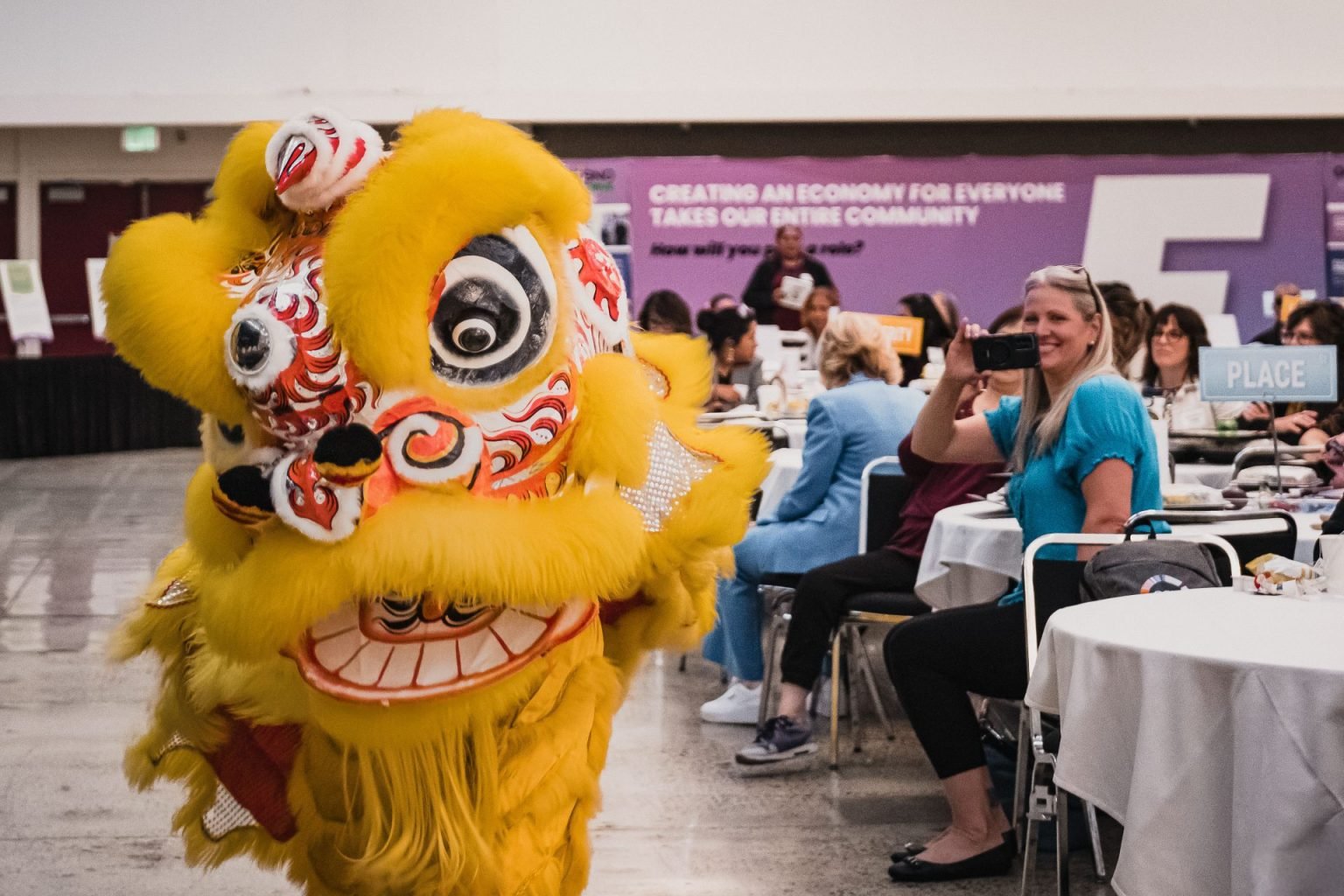
Three hundred Fresnans came together with a big vision—to build an economy that creates opportunity for everyone. Five years later, the results speak for themselves. Fresno DRIVE shows what is possible when communities lead, when neighbors organize, and when everyone has a seat at the table.
Why This Matters for Organizers
Proof of Concept: Community-led initiatives can move the needle on national rankings
Replicable Model: Multi-billion dollar community-led investment plan created by residents
Infrastructure Focus: Neighborhood Hubs build relationships, trust, and collective power
Long-Term Vision: Five-year timeline shows sustained commitment produces results
Systems Change: Addressing root causes of poverty, not just symptoms
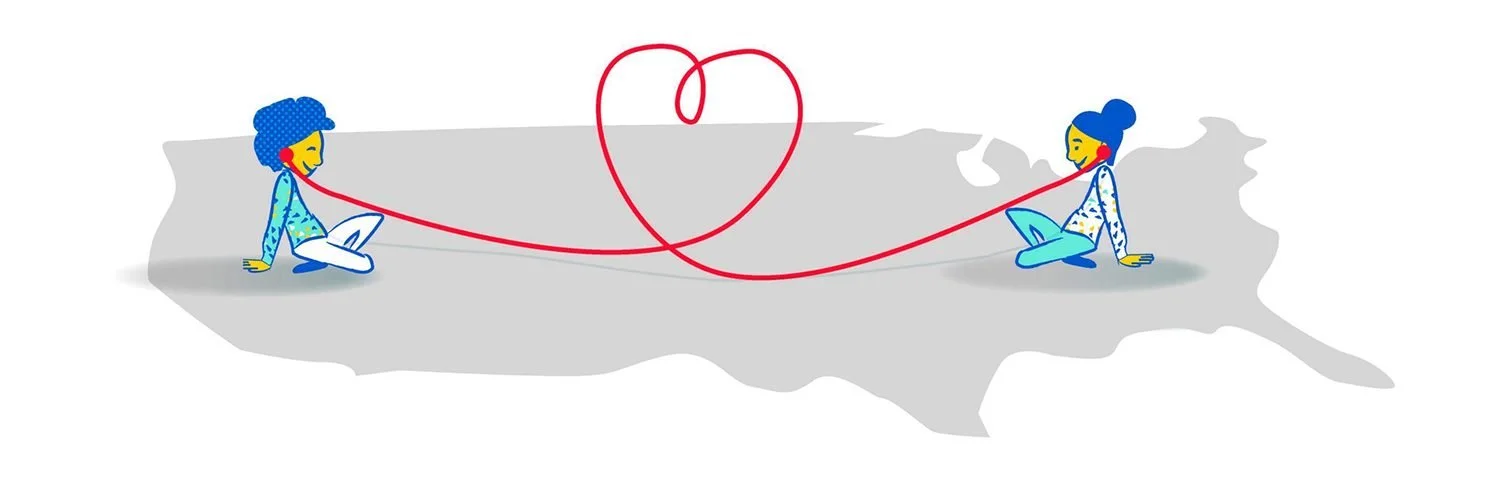
In times of uncertainty and challenge, human connection becomes our greatest strength. StoryCorps brings together heartwarming stories that remind us of our shared humanity, resilience, and capacity for love and kindness.
StoryCorps is one of the largest oral history projects of its kind. Since 2003, StoryCorps has collected and preserved more than 75,000 interviews from people of all backgrounds and beliefs. These conversations celebrate the power of listening and remind us what matters most in life.

The Beacon Project launches its first podcast with Eric Liu, CEO of Citizen University. This conversation explores why citizenship matters now, what civic culture really means, and how communities can rebuild connection in times of division.

In a rare moment of agreement across party lines, parents from all political backgrounds share deep concern about the impact of social media and smartphones on their children. This is not a left issue or a right issue. This is a parent issue.
Why This Matters for Your Community
For Parents: You are not alone in your concerns. Data showing overwhelming consensus across political lines
For Schools: Evidence supporting phone-free policies that most parents actually want
For Policy Makers: Rare bipartisan issue where Americans agree on the need for action
For Tech Companies: Clear signal that parents want better protections for kids online
For Communities: A unifying issue that can bring people together across differences

Who is having the hardest time:
Families making less than $25,000 per year
Only 1 in 3 low-income families say they have fully recovered
People who couldn't afford to make all the repairs they needed
Families who lost food, wages, and had to pay for emergency costs
Compare this to higher-income families:
8 out of 10 families making over $100,000 say they have fully recovered
They were more likely to have savings to pay for repairs
They were more likely to have insurance that covered damage

The Democracy & Belonging Forum’s Network Catalyzers Program supports selected Forum members in launching and growing their own virtual or in-person communities related to othering, belonging, bridging, and democracy.
These communities are entirely member-run, but are in part resourced, promoted, and supported by the Forum. In 2025, six communities (and seven catalyzers) were selected to participate, addressing topics as diverse as bridging in rural France, food insecurity in Texas, and intergenerational engagement among immigrant families.

How to Make Your Voice Heard
Find Your Representatives: Visit Texas Legislature Online to find who represents you
Email the Bill Sponsors: Use the sponsor emails in each issue below to share your experience
Contact Your Local Officials: Reach out to your state senator and representative about what matters to you
Share This Article: Help others learn about the issues that quietly shape our lives
Focus on Your Experience: Personal stories about how these issues affect your family, business, or community are powerful
Why This Matters
The loudest political fights are about identity and culture
Polling shows Texans already agree on practical issues like energy and healthcare
These "boring" problems are where surprising alliances form
Boring issues are where trust can be rebuilt across political divides
This is where politics can actually make everyday life better

A German thinker named Friedrich Nietzsche had a word for this feeling: "nihilism" (say: NYE-ill-ism). It means believing nothing really matters. But this feeling is now so common among young Americans that experts call it "cultural nihilism."
Warning Signs
Fewer young people trust democracy than ever before
Young people don't trust big institutions like government
Entire online groups are built around being super negative
Young people have stopped believing things can get better

Why This Matters
For the Exhausted Majority: A vision that transcends left-right polarization and offers practical hope
For Educators: A framework that recognizes both individual potential and structural barriers
For Policy Makers: Cross-partisan appeal with 80% agreement across political parties
For Community Leaders: A shared language for building civic culture beyond divisiveness
For America's Future: A roadmap for reimagining democracy in the 21st century

Why This Matters for Houston
For Community Leaders: Data-driven insights to design programs that address social isolation in vulnerable populations
For Policy Makers: Evidence that connectedness is a stronger predictor of well-being than traditional demographic factors
For Nonprofits: A call to collaborate across sectors rather than working in isolation
For Faith Leaders: Recognition of your role as trusted voices at the center of belonging experiences
For Houston's Future: A roadmap to become a city known not just for diversity, but for genuine connection

The Social Trust Map is an interactive, scrollytelling experience that visualizes Weave's Social Trust Index for every neighborhood in the United States. This powerful tool helps communities understand where connection is taking root and where support is needed most.
By blending indicators of how people show up for each other (behaviors), how they feel and express care (intentions), and where connection happens (social spaces), the map provides an early signal for civic health that can guide community-building efforts.

More than 180 foundations and philanthropy networks condemn political violence and affirm core freedoms — speech and the freedom to give. The statement calls for leadership that unites rather than divides and commits to safeguarding peaceful civic life for people of all backgrounds.

What They Found
Democrats think 47 percent of Republicans support violence against Democrats. But only 13 percent really do. Even more striking: only 3.5% of Democrats and 2.4% of Republicans support throwing rocks at opposing protestors, yet 40% from both parties think the other side would support this - a ten-fold exaggeration. Social media makes this worse by amplifying extreme voices. Meanwhile, 85% of Republicans and 89% of Democrats believe in unconditional free speech, but each side thinks only about half the other party believes this. This creates dangerous cycles where people respond to imaginary threats.

Highlights
Why it matters: Youth report widespread climate distress; higher severe‑weather exposure aligns with stronger distress and desire for action. Use this to normalize feelings, add supports, and create constructive action pathways.
Use in programs: Pair discussions about emotions with coping tools and a short local action step; invite cross‑viewpoint dialogue to reduce polarization.

A simple act to strengthen civic life
What we learned from our neighborhood gathering experiment in Charlottesville – and how you can host a gathering of your own through our new $50 microgrant
and

We offer a unique space where you can:
Share and Discover: Post and explore articles, events, and initiatives that uplift local causes, fundraisers, and civic actions.
Support American Locales: Shine a spotlight on hardworking local businesses and community organizations that embody the spirit of American entrepreneurship and solidarity.
Stay Informed: Access all content without registration or email tracking, keeping your experience straightforward and free from unnecessary distractions.

Texas leaders approved steps that can reduce food insecurity and improve access to care. The state budget funds critical upgrades to the eligibility and enrollment system, HB 4226 makes it cheaper for food banks to operate trucks, and HB 26 authorizes “Food Is Medicine” supports—including a pilot for pregnant Texans. Together, these moves can help families get support faster and keep more healthy food moving to neighbors in need.
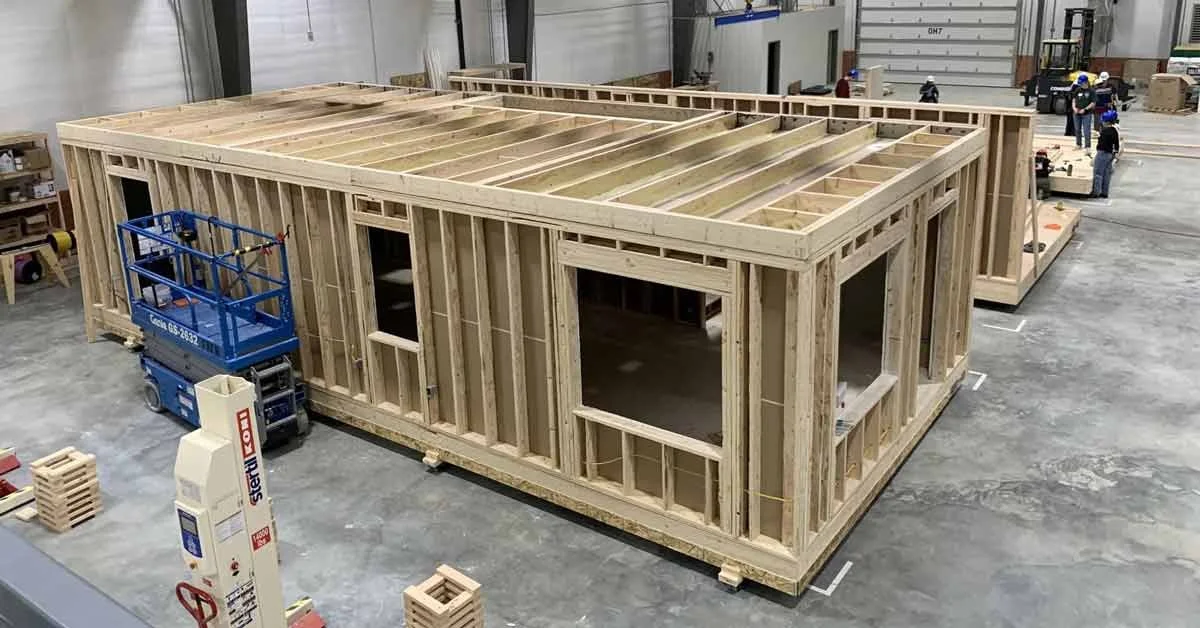

This Mind & Life article introduces a study led by social psychologist Rémi Thériault (NYU). The idea is simple: reading clear, thoughtful nonfiction for about 10 minutes a day may help people understand others and work well together. Participants read for 10 weeks. The team looks at changes in care for others, how we speak with people who see things differently, and whether readers feel more connected. Books are picked for easy reading and helpful themes, using both expert review and AI tools. Earlier work from the team suggests that reading plus reflection can be a welcoming first step. The public is invited to suggest book titles for future rounds.

Summary
During an era of exclusion and housing discrimination, a Black couple welcomed a Chinese immigrant family as renters. Eighty-five years later, that family has publicly honored the couple’s courage and kindness—an act of remembrance that highlights shared struggles and the power of cross-racial solidarity. The story underscores how everyday choices—like opening your door—can ripple across generations.

Summary
This Yale SPH Q&A explains how alcohol contributes to cancer risk and why U.S. leaders are exploring updated warning labels. Dr. Vasilis Vasiliou highlights mechanisms (e.g., acetaldehyde, oxidative stress), dose–response effects, and the way alcohol amplifies other carcinogens such as tobacco smoke. Guidance includes: don’t start drinking for health reasons; if you drink, keep it modest and consider personal/family risk factors.

Why This Matters
This deep dive into the food security crisis exposes racial and income inequality in our region. Communities of color and low-income households bear the greatest burden, and entire neighborhoods—like Greenspoint—are on the brink.

Three Essential Steps
Create more opportunities for connection - Space must be intentionally created, like a garden, for relationships to take root and grow
Focus on shared goals - Americans prefer working together toward common community objectives rather than just discussing their differences
Build on success - Research shows that the more people connect across differences, the more likely they are to want to continue doing so
Synopsis
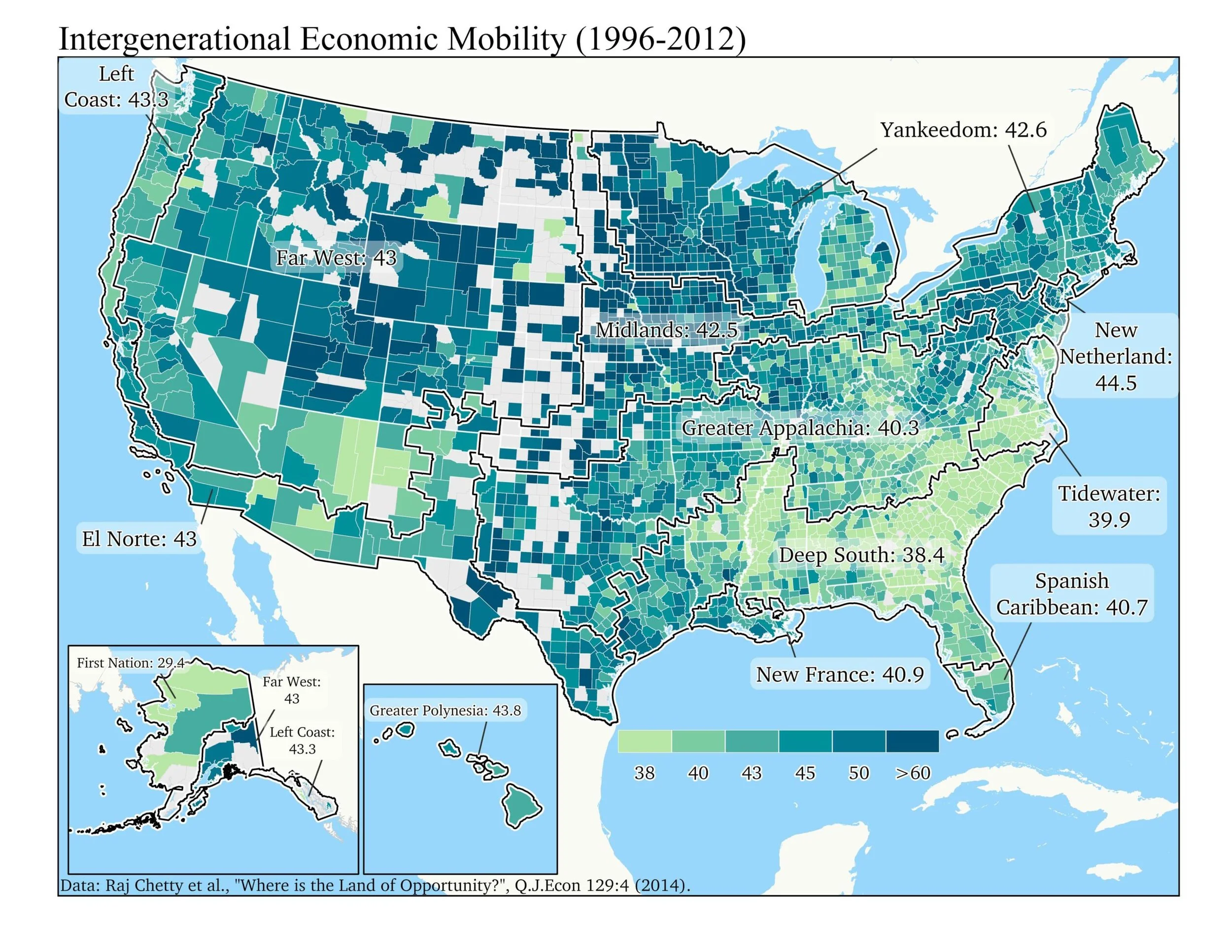
This article explains how kids in some parts of the country have more chances to move up in life. It uses research from Harvard and shows how local traditions, history, and culture can affect success. Some areas support strong communities and good schools, while others may have fewer public services or opportunities.

Millions of Americans lack reliable healthcare access. Jordan’s philanthropy directly addresses gaps in community health by funding infrastructure and removing barriers like cost and transportation. His hometown model could inspire similar efforts nationwide

Engagement Level:
Empowered, Activated, Informed
Why It Matters:
Expands housing access
Models bipartisan civic engagement
Prevents affordability crises
Key Programs:
Zoning policy reform
Legislative coalitions
Public education campaigns