What Are You Looking For?
Explore what matters to you right now

Attitudes towards political violence in the United States
What They Found
Democrats think 47 percent of Republicans support violence against Democrats. But only 13 percent really do. Even more striking: only 3.5% of Democrats and 2.4% of Republicans support throwing rocks at opposing protestors, yet 40% from both parties think the other side would support this - a ten-fold exaggeration. Social media makes this worse by amplifying extreme voices. Meanwhile, 85% of Republicans and 89% of Democrats believe in unconditional free speech, but each side thinks only about half the other party believes this. This creates dangerous cycles where people respond to imaginary threats.

Climate emotions, thoughts, and plans
Highlights
Why it matters: Youth report widespread climate distress; higher severe‑weather exposure aligns with stronger distress and desire for action. Use this to normalize feelings, add supports, and create constructive action pathways.
Use in programs: Pair discussions about emotions with coping tools and a short local action step; invite cross‑viewpoint dialogue to reduce polarization.

Neighborhood Gathering Micro Grant Application
A simple act to strengthen civic life
What we learned from our neighborhood gathering experiment in Charlottesville – and how you can host a gathering of your own through our new $50 microgrant
and

Settlement with US DOJ Reached
We offer a unique space where you can:
Share and Discover: Post and explore articles, events, and initiatives that uplift local causes, fundraisers, and civic actions.
Support American Locales: Shine a spotlight on hardworking local businesses and community organizations that embody the spirit of American entrepreneurship and solidarity.
Stay Informed: Access all content without registration or email tracking, keeping your experience straightforward and free from unnecessary distractions.

Houston Food Bank - State Legislative Priority Wins
Texas leaders approved steps that can reduce food insecurity and improve access to care. The state budget funds critical upgrades to the eligibility and enrollment system, HB 4226 makes it cheaper for food banks to operate trucks, and HB 26 authorizes “Food Is Medicine” supports—including a pilot for pregnant Texans. Together, these moves can help families get support faster and keep more healthy food moving to neighbors in need.

Reading and Repair
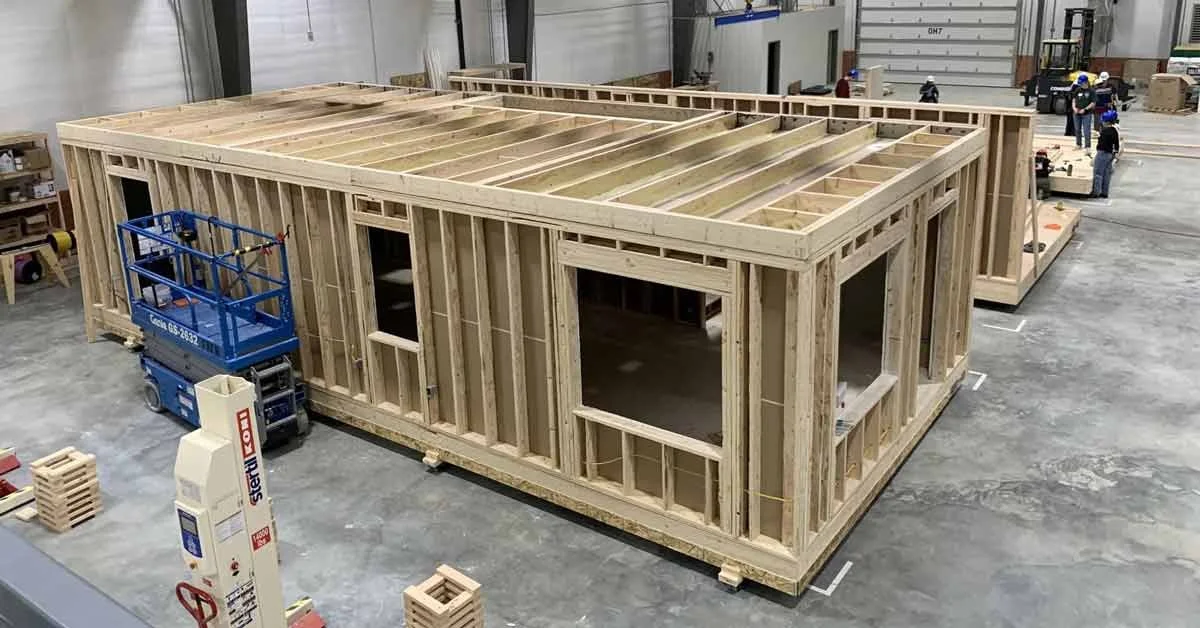
This Mind & Life article introduces a study led by social psychologist Rémi Thériault (NYU). The idea is simple: reading clear, thoughtful nonfiction for about 10 minutes a day may help people understand others and work well together. Participants read for 10 weeks. The team looks at changes in care for others, how we speak with people who see things differently, and whether readers feel more connected. Books are picked for easy reading and helpful themes, using both expert review and AI tools. Earlier work from the team suggests that reading plus reflection can be a welcoming first step. The public is invited to suggest book titles for future rounds.

85 years later, Chinese family honors the Black couple who rented to them
Summary
During an era of exclusion and housing discrimination, a Black couple welcomed a Chinese immigrant family as renters. Eighty-five years later, that family has publicly honored the couple’s courage and kindness—an act of remembrance that highlights shared struggles and the power of cross-racial solidarity. The story underscores how everyday choices—like opening your door—can ripple across generations.

The link between alcohol and cancer
Summary
This Yale SPH Q&A explains how alcohol contributes to cancer risk and why U.S. leaders are exploring updated warning labels. Dr. Vasilis Vasiliou highlights mechanisms (e.g., acetaldehyde, oxidative stress), dose–response effects, and the way alcohol amplifies other carcinogens such as tobacco smoke. Guidance includes: don’t start drinking for health reasons; if you drink, keep it modest and consider personal/family risk factors.

Food Insecurity Hits 39% in Houston & Harris County — Nearly Triple the U.S. Rate
Why This Matters
This deep dive into the food security crisis exposes racial and income inequality in our region. Communities of color and low-income households bear the greatest burden, and entire neighborhoods—like Greenspoint—are on the brink.

Building Bridges: A Playbook for Community Connection
Three Essential Steps
Create more opportunities for connection - Space must be intentionally created, like a garden, for relationships to take root and grow
Focus on shared goals - Americans prefer working together toward common community objectives rather than just discussing their differences
Build on success - Research shows that the more people connect across differences, the more likely they are to want to continue doing so
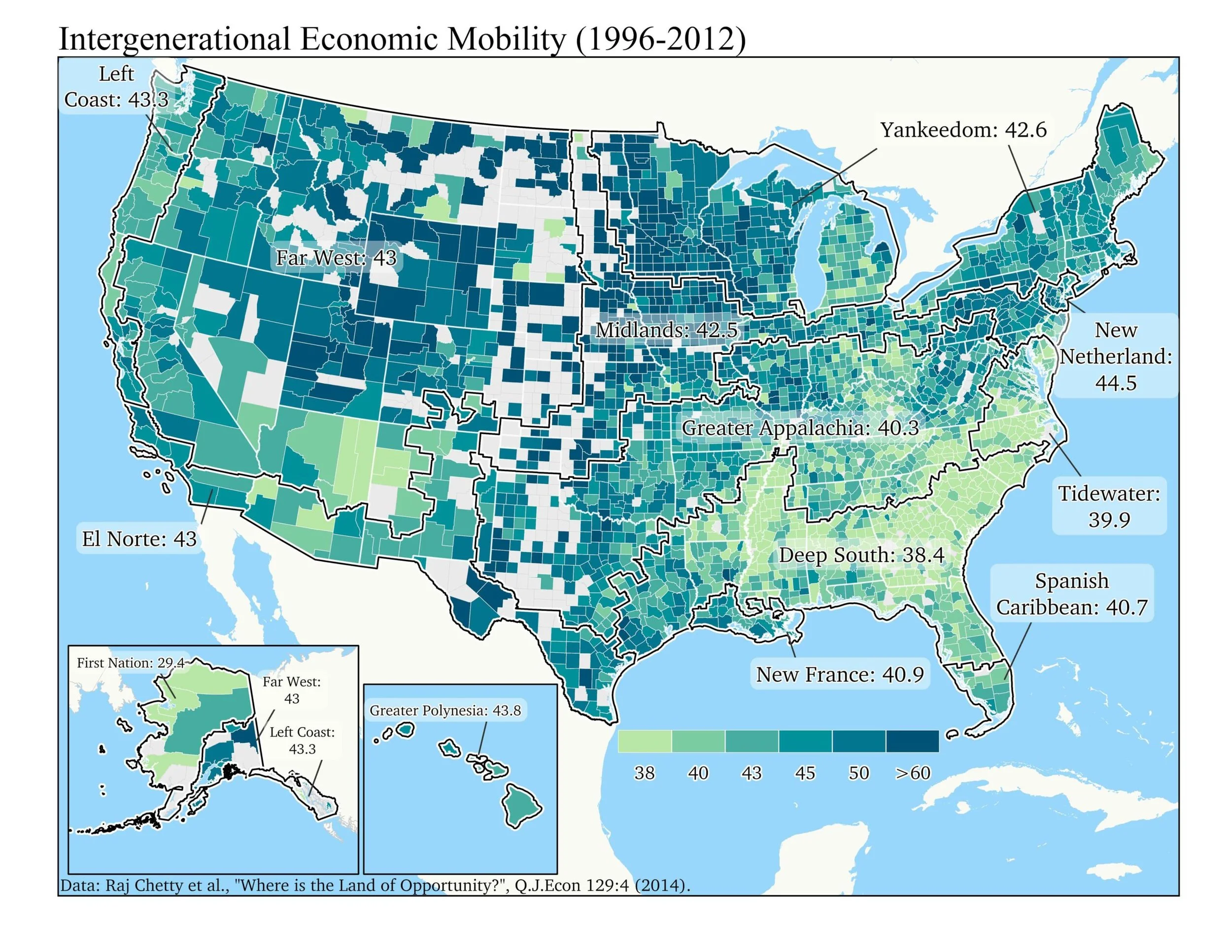
Intergenerational economic mobility and the American Nations regional cultures
Synopsis
This article explains how kids in some parts of the country have more chances to move up in life. It uses research from Harvard and shows how local traditions, history, and culture can affect success. Some areas support strong communities and good schools, while others may have fewer public services or opportunities.

Michael Jordan Opens Fourth Free Health Clinic in Hometown
Millions of Americans lack reliable healthcare access. Jordan’s philanthropy directly addresses gaps in community health by funding infrastructure and removing barriers like cost and transportation. His hometown model could inspire similar efforts nationwide

Texans for Reasonable Solutions: Housing Reform in Texas
Engagement Level:
Empowered, Activated, Informed
Why It Matters:
Expands housing access
Models bipartisan civic engagement
Prevents affordability crises
Key Programs:
Zoning policy reform
Legislative coalitions
Public education campaigns
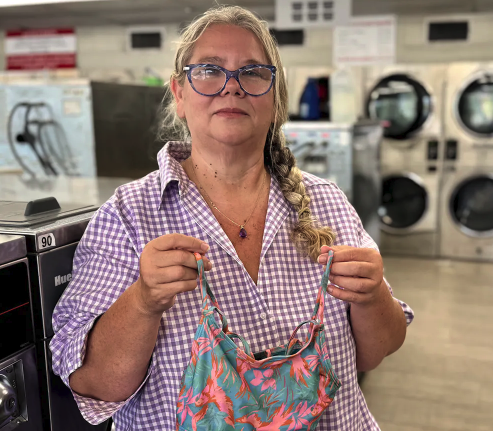
She Ran a Vintage Store. Now She’s Reuniting Flood Victims With Precious Belongings.
In the wake of disaster, it wasn’t just infrastructure that was lost—it was identity, history, and memory. Dondi's grassroots effort is a powerful reminder that compassion, community organizing, and digital connection are essential parts of civic resilience. This act of mutual aid highlights how everyday people can become keepers of hope.
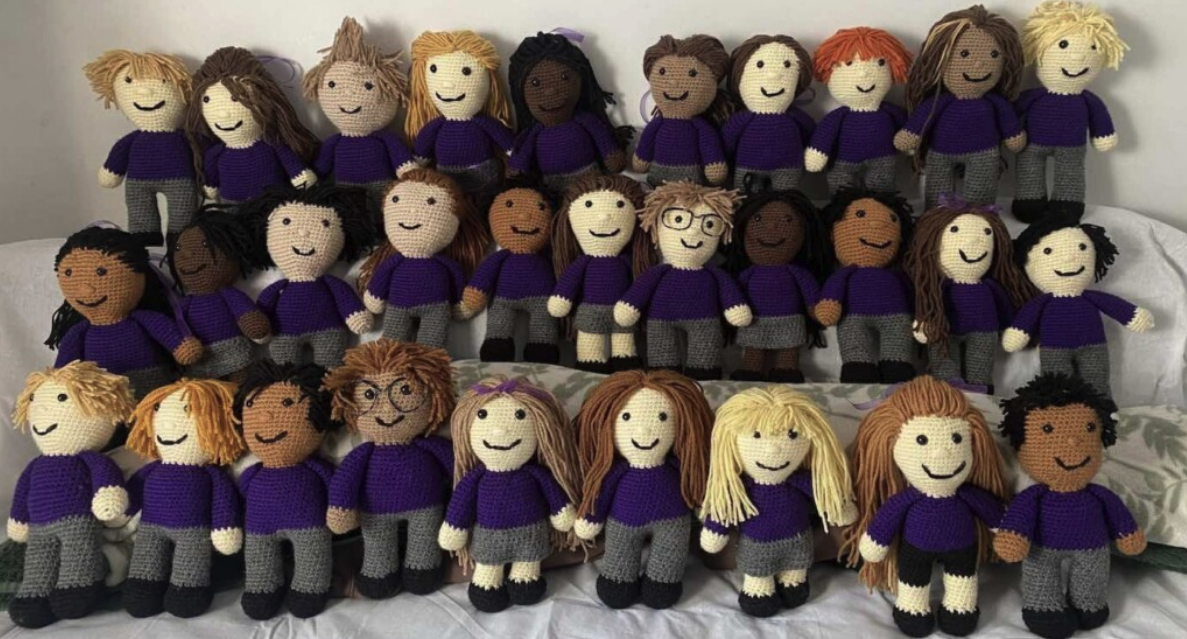
Third Grade Teacher Delights Students
This act isn’t just adorable — it’s a model of connection and belonging. In an age of increasing classroom detachment, Ms. Shabir rebuilt trust and identity, one handcrafted doll at a time. Plus, the story reminds us that simple, thoughtful actions can profoundly impact civic culture, community respect, and human dignity.